
Interior Trends Meet Responsible Online Casino Play: Designing Spaces That Support Healthier Gaming Habits
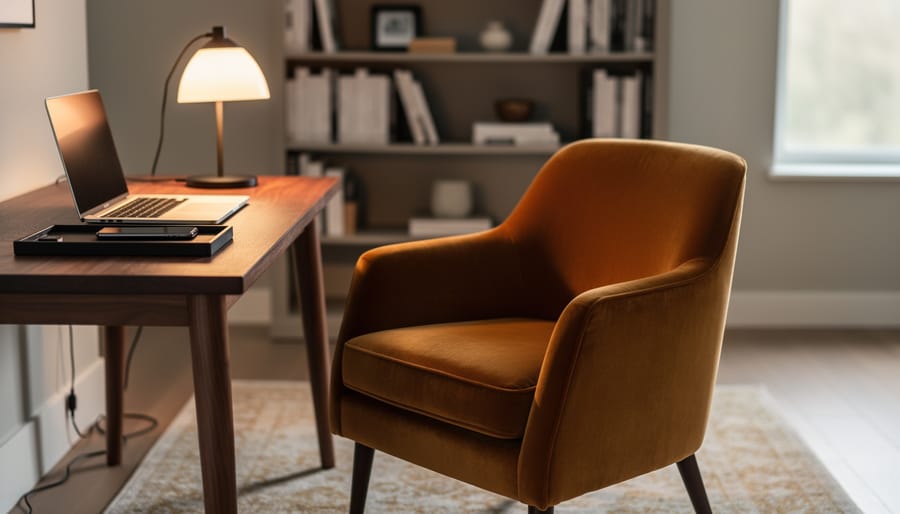
Your home environment directly shapes your online gaming habits, and designing purposeful spaces for digital casino play can reduce impulsive behavior, set clear boundaries, and protect both your budget and well-being. By applying interior design principles like dedicated gaming zones, calming color palettes, and strategic tech placement, you create physical guardrails that encourage mindful engagement rather than unchecked scrolling.
At A Trendy Home, we’ve spent years analyzing how link to moonbet crypto casino platforms and other digital spaces intersect with room layouts and furnishings to influence behavior. The same logic that guides us in creating productive home offices or restful bedrooms applies to online casino play. When you access platforms from a thoughtfully designed space, you’re more likely to stick to time limits and budgets because the environment itself reinforces discipline.
Think of it this way: a cluttered bedroom with your phone beside the pillow invites late-night wagering sessions. A designated lounge corner with natural light, a timer-equipped desk lamp, and a charging station outside the room encourages intentional play. Small shifts in furniture arrangement, lighting temperature, and even wall color can signal when it’s time to pause or log off.
This isn’t about moralizing or banning entertainment. It’s about blending timeless interior design wisdom with modern digital wellness, giving homeowners practical tools to enjoy online casinos without letting them dominate daily life. The strategies ahead translate decades of spatial psychology into actionable, stylish solutions that fit any home.
Why Your Home Environment Shapes Online Casino Behavior
Your living room isn’t neutral territory when you open a casino app. The chair you’re sitting in, the lamp overhead, even the fact that your laptop faces away from the door, all of it quietly influences how long you play, how much you wager, and whether you notice an hour slipping past. This isn’t speculation. Environmental psychology has documented for decades how physical settings alter cognition and self-regulation, a phenomenon researchers call behavior shaped by surroundings. When you design a space for comfort and escape, you’re also designing it to lower inhibitions and extend engagement, which is exactly what casinos count on.
Consider lighting first. Dim, warm lighting creates a relaxed, almost dreamlike state that softens time perception and reduces alertness. You settle deeper into the experience, less aware of how many spins or hands have passed. Bright, cool-toned task lighting does the opposite: it keeps you alert, slightly more conscious of your actions and the clock. The same principle applies to seating. A plush recliner in a quiet corner whispers “stay awhile,” while an upright chair at a desk signals focus and finite duration. Neither setup is inherently bad, but one actively undermines the mental boundaries you set before logging in.
Room purpose matters just as much. Playing from your bedroom, a space associated with rest and privacy, blurs the line between relaxation and risk-taking. Your brain doesn’t shift into “decision-making mode” the way it would in a workspace or common area. Distractions play a dual role: too many (TV on, kids nearby) scatter focus and lead to impulsive bets, while too few (headphones, closed door) create an immersive bubble where external cues, time, responsibility, social presence, fade entirely.
Behavioral design research shows that environments either support or sabotage self-control by making certain actions easier or harder. If your gaming setup is the most comfortable, private, distraction-free spot in your home, you’ve built an environment optimized for long sessions and reduced oversight. Rethinking that setup, choosing different lighting, furniture, or room placement, isn’t about denying yourself enjoyment. It’s about designing friction where you need it, so the space works with your intentions rather than against them.
Designing a Dedicated Gaming Zone That Encourages Boundaries
Choosing the Right Room and Furniture
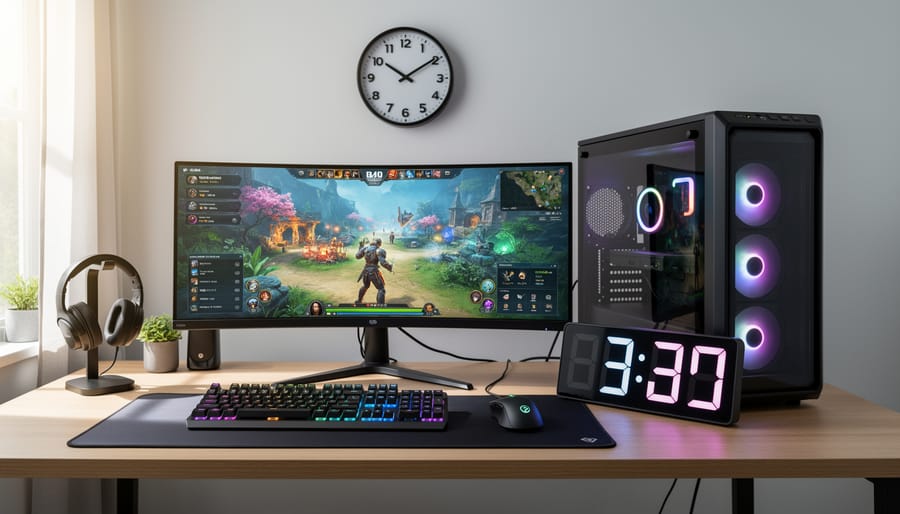
Start by choosing a room that naturally discourages prolonged sessions. A spare bedroom, home office corner, or even a well-lit alcove works better than your primary living room or bedroom. You want a space that feels purposeful rather than cozy, somewhere you enter intentionally and leave when finished. Avoid bedrooms entirely; they blur rest and recreation, making it too easy to extend sessions late into the night. Similarly, skip the main lounge if it’s your comfort zone for unwinding, as familiarity breeds autopilot behavior.
Furniture matters just as much as location. Opt for an upright desk chair with firm support instead of a recliner or plush armchair. The goal is alert posture, not sinking comfort that invites hours of play. A simple writing desk or compact workstation keeps the setup functional and focused. If you’re working with an awkward space, consider how to design with dormers or angular walls to your advantage, these nooks naturally define boundaries and prevent the gaming area from sprawling into the rest of your home.
Keep the furniture minimal. A single chair, a desk, and perhaps a small lamp create a clear-cut zone that signals “this is where I play, and only here.” No footstools, no side tables stacked with snacks. The less inviting the space feels for long-term lounging, the easier it becomes to stick to your planned limits and walk away when the session ends.
Incorporating Time and Budget Reminders into Decor
Visual reminders work best when they blend seamlessly into your space rather than screaming “warning.” A large analog wall clock positioned directly in your sightline creates passive time awareness without breaking immersion, you glance up naturally, registering how long you’ve been playing. Choose a design that complements your room’s aesthetic: a minimalist brass clock for modern spaces, a vintage railway clock for industrial vibes, or a sleek digital display that doubles as wall art.
Whiteboards offer flexible, low-pressure accountability. Mount one beside your monitor to jot down session budgets or time limits before you start. The act of writing engages intention, and seeing your own handwriting creates a personal contract that’s harder to dismiss than a phone notification. Frame it well, acrylic-backed boards with wooden trim look deliberate, not makeshift.
Consider a small table-top easel with daily or weekly spending cards. Swap them out like you’d change seasonal decor, making the ritual feel routine rather than restrictive. Some players use coin jars or envelope systems visible on nearby shelves, creating a tangible connection between digital spending and physical resources.
The key is placement: reminders positioned within your natural field of view work quietly in the background, reinforcing boundaries without nagging. They become functional decor, part of your gaming zone’s identity rather than afterthoughts tacked onto the wall.
Lighting, Color, and Mood: Interior Choices That Promote Mindful Play
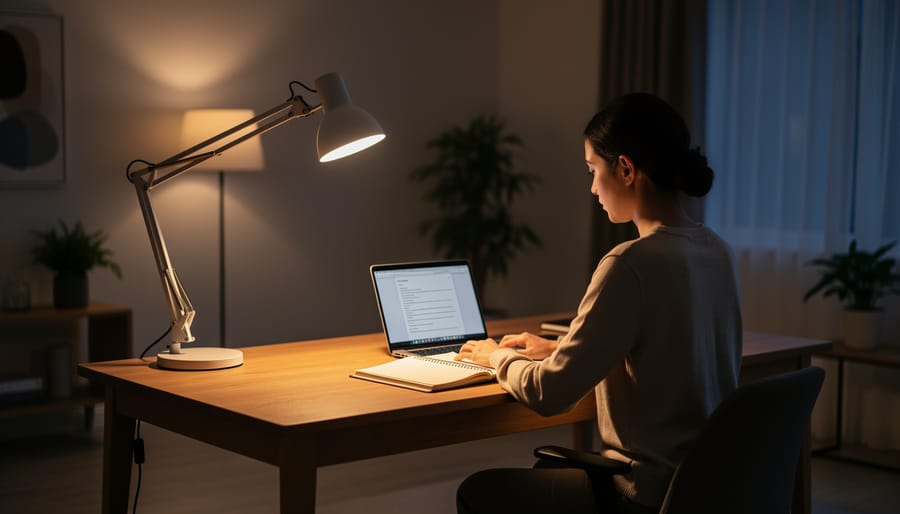
The atmosphere you create around your gaming device directly influences how alert, self-aware, and in control you remain during online casino sessions. Casinos know this, they use dim, enveloping lighting and warm, energizing color schemes to create an immersive bubble where time disappears and decisions feel instinctive. Your home doesn’t have to replicate that trap. By choosing cooler light temperatures, brighter ambient setups, and calming color palettes, you can design a space that keeps your mind engaged and your impulses in check.
Start with lighting temperature. Warm yellow light (2700-3000K) relaxes and softens focus, which sounds appealing but can dull your awareness of time passing and money spent. Cool daylight bulbs (5000-6500K) mimic natural outdoor light, promoting alertness and clarity. If your gaming setup currently relies on fairy lights ideas or warm Edison bulbs for ambiance, consider switching to adjustable LED panels that let you dial up brightness and coolness during play sessions. Task lighting, a major trend in 2026 workspaces, serves the same purpose here: a focused desk lamp with neutral white light keeps your screen and surroundings visible, reducing that tunnel-vision effect.
Color palettes matter just as much. Deep reds, purples, and golds trigger excitement and risk-taking, which is why casinos favor them. Cooler tones like soft blues, greens, and grays encourage calm, measured thinking. You don’t need to repaint your entire room, accent walls, cushions, or desk accessories in these shades shift the mood. A warm wood wall design can ground the space without veering into casino territory, especially when paired with light-toned furnishings and greenery.
| Lighting/Color Setup | Effect on Behavior | Best for Responsible Play | 2026 Trend Alignment |
|---|---|---|---|
| Dim warm lights, deep reds/golds | Dulls time awareness, increases impulsivity | No | Outdated lounge aesthetic |
| Bright cool lights (5000K+), neutral tones | Enhances clarity, supports self-monitoring | Yes | Biophilic workspaces, task lighting |
| Adjustable LEDs, calming blues/greens | Balances focus with emotional regulation | Yes | Smart home integration, wellness design |
Biophilic elements, potted plants, natural wood finishes, and views of greenery, are surging in 2026 interiors, and they double as mood stabilizers. A small snake plant or trailing pothos near your screen introduces visual breaks and subtly signals healthier habits. Pair these with layered lighting (overhead brightness plus focused task light) and calming neutrals, and you create an environment that supports mindful decisions rather than reflexive ones. The goal is a space that feels composed, not cocooning, a room where you remain present, not lost.
Technology Placement and Screen Ergonomics for Healthy Sessions
Where you place your screen and how you sit determines more than back pain, it directly influences how long you stay in a session. Poor ergonomics creates a feedback loop: discomfort builds slowly, but fixing it (shifting around, leaning forward) keeps you semi-engaged, delaying the natural impulse to stop. Proper setup, by contrast, makes strain obvious sooner and supports clearer exit points.
Position your monitor or tablet at arm’s length, with the top of the screen at or slightly below eye level. This prevents the forward head tilt that gaming setups often encourage, where you unconsciously lean in as stakes rise or decisions intensify. That lean is a red flag, it signals tunnel vision. Keeping your head upright and screen distant maintains spatial awareness, making it easier to notice time passing and check in with yourself.
Desk height matters for similar reasons. If your forearms rest parallel to the floor with relaxed shoulders, you sit in a neutral posture that you can sustain without fidgeting, but also without sinking into a trance. Adjustable standing desks, popular in 2026 home offices, add another layer: standing for part of a session naturally shortens duration and increases alertness. You are less likely to drift into a three-hour stretch when your legs remind you to move.
Supportive chairs deserve the same scrutiny. Gaming thrones and plush recliners feel luxurious, but they cocoon you, reducing the physical feedback that prompts breaks. Instead, choose task chairs with lumbar support and firm cushioning. Comfort should keep you upright and focused, not cradled and disconnected from time.
Finally, avoid phone gaming while lying down or lounging. Horizontal positions erase postural cues entirely, making it easy to lose track of session length. If mobile play is your preference, sit at a table with the device propped at eye level, treating it with the same ergonomic discipline as a desktop setup. Small adjustments create friction that protects you without feeling restrictive.
Avoiding the Cozy Trap: When Comfort Undermines Self-Control
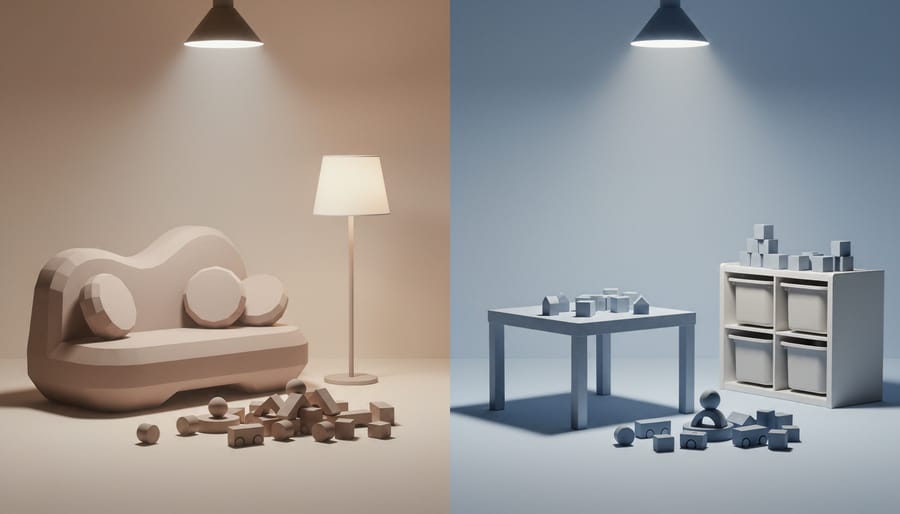
Comfort can work against you when it comes to responsible online casino play. Over-plush recliners, dimly lit bedrooms, and cozy lounges encourage prolonged sessions by blurring the line between relaxation and alert engagement. When your gaming spot feels like a cocoon, soft throws, low lighting, a recliner that tilts you into near-horizontal bliss, it’s easier to lose track of time and ignore self-imposed limits. The body settles in, the mind drifts, and what started as a quick session stretches into hours.
The fix isn’t eliminating comfort, but recalibrating it. Choose upright, supportive seating instead of deep recliners. A stylish accent chair with firm cushions or a mid-century modern dining chair keeps you alert without sacrificing aesthetics. Avoid placing gaming gear in living room corners that double as nap zones; instead, opt for well-lit areas with task lighting that signals focus rather than wind-down time.
Bedrooms are particularly risky. They’re pre-wired for rest and privacy, making it easy to rationalize “just one more hand” without natural stopping cues. Move gaming activity to a neutral, shared space where social presence and visibility create gentle accountability. Pair this shift with decor that feels intentional and styled, floating shelves, a dedicated monitor stand, a statement lamp, so the space looks polished rather than makeshift, reinforcing that this is a purposeful activity zone, not a retreat.
Building Accountability Through Shared and Visible Spaces
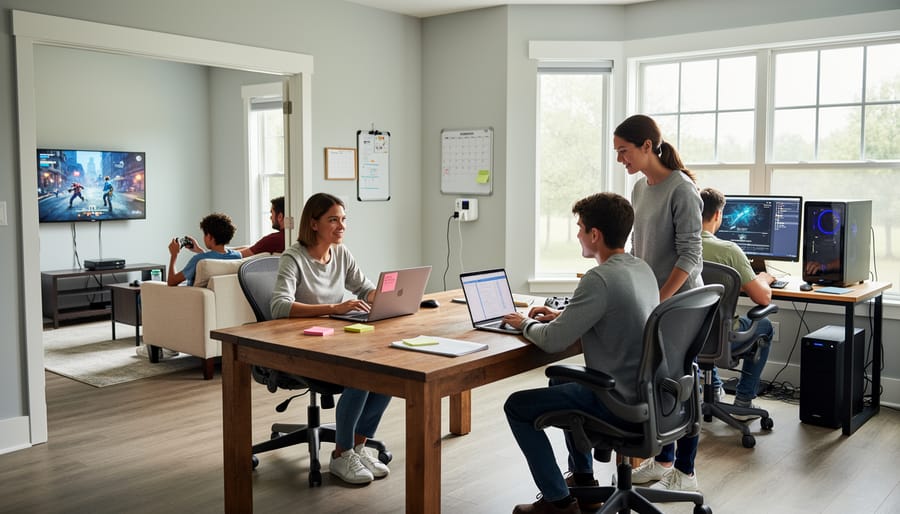
Playing in a shared living room or open-plan kitchen area introduces a subtle but powerful form of self-regulation that isolated setups cannot replicate. When your screen is visible to others moving through the space, you are far less likely to lose track of time or chase losses beyond your planned limit. This visibility is not about surveillance or guilt; it is about creating an environment where your behavior naturally aligns with the boundaries you have set for yourself.
Common areas offer built-in accountability without requiring formal oversight. A partner preparing dinner, children doing homework at the dining table, or housemates scrolling on the sofa create ambient awareness that encourages responsible session length and mindful decision-making. You are more conscious of the clock when someone else might glance over, and you are more likely to stick to your budget when your activity is not hidden behind a closed door. This approach works especially well for families who want to normalize online entertainment without creating secrecy around it.
The key is balancing transparency with personal space. Position your screen at an angle that is visible from adjacent areas but not the focal point of the room. Use a corner desk or console table that integrates into the room’s design rather than dominating it. Open shelving, room dividers, and strategic furniture placement let you maintain a sense of autonomy while staying connected to household activity. This middle ground respects privacy and enjoyment while leveraging the natural checks that shared spaces provide.
If you live alone, consider streaming or video-calling a friend during casual sessions, or setting up in a coworking space occasionally. The principle remains: visible engagement, whether to housemates or a broader social circle, keeps impulse in check without sacrificing the experience.
Integrating Responsible Gaming Tools with Home Tech and Design
Responsible gaming tools are most effective when they integrate seamlessly into your daily environment rather than requiring constant manual activation. Modern smart home technology offers practical ways to automate safeguards, creating friction-free stopping points that support your pre-set limits without disrupting your home’s aesthetic or flow.
Voice assistants provide gentle, customizable prompts that feel less intrusive than phone alarms. Set up routines on devices like Alexa or Google Home to announce time checks at intervals you specify, “You’ve been playing for one hour” or “It’s 10 PM, your planned stop time.” Position these speakers in your gaming area where audio cues reach you naturally without startling or interrupting mid-session. The human voice carries more weight than a silent notification, and scheduling these reminders removes the need for self-discipline in the moment.
Physical charging stations create natural endpoints by necessity. Designate a wall-mounted charging shelf or dock in a visible, high-traffic spot, kitchen counter, entryway console, and establish a routine where devices charge there overnight or during family hours. When your phone or tablet battery depletes during a session, the act of walking to retrieve it from its designated spot breaks the digital trance and prompts reassessment. Choose charging stations that complement your decor, from minimalist wooden trays to sleek metal stands that double as design accents.
App blockers synced to home routines add another layer. Many screen-time management apps can trigger automatically based on location, time, or device usage patterns. Pair these with smart lighting scenes: when your “wind-down” routine dims lights at a certain hour, your gaming apps lock simultaneously. The combination of environmental and digital cues reinforces boundaries through multiple sensory channels.
Layer these tools thoughtfully. No single device solves impulse control, but stacking small interventions, voice reminders, physical charging rituals, automated app limits, creates a support system embedded in your home’s infrastructure. The goal isn’t restriction; it’s designing an environment where responsible choices become the path of least resistance.
Common Questions About Home Design and Responsible Gaming
Can I really influence my gaming habits just by changing my room setup?
Absolutely. Your physical environment shapes behavior more than most people realize. A well-lit, ergonomically arranged space with visible time cues naturally discourages the kind of prolonged, distracted sessions that happen when you’re gaming from a dim bedroom or overstuffed recliner. The key is creating friction, subtle design choices that make you pause and check in with yourself rather than mindlessly continuing.
How do I retrofit my existing space without a full renovation?
Start small and strategic. Swap your warm-toned bulbs for cooler daylight LEDs in your gaming area, reposition your setup so the screen isn’t the dominant focal point, and add a simple wall clock within your sightline. If you’re currently playing from the couch, consider moving a small desk into a shared area like the dining room or home office. These adjustments cost little but shift the entire dynamic of the space.
Which room works best for online casino play?
A home office or corner of a living room tends to work better than bedrooms or private dens, as these shared, functional spaces naturally limit session length and maintain alertness.
How can I add time reminders without cluttering my design?
Choose a minimalist analog clock with a clean frame that complements your decor, or use a small whiteboard styled as wall art to jot session budgets. Both blend into modern interiors while serving their purpose.
Do open-plan homes help or hurt responsible gaming?
They generally help by increasing visibility and social accountability, though you’ll want to position your screen thoughtfully so it doesn’t dominate shared family spaces or become a distraction to others.
What furniture should I avoid?
Recliners, deep sofas, and anything too plush can encourage extended sessions by creating a cocoon-like comfort zone. Opt instead for supportive chairs that promote good posture and alert engagement.
Can I maintain my home’s aesthetic while promoting healthier habits?
Definitely. Responsible gaming design isn’t about sterile, clinical spaces, it’s about intentional choices. Stylish task lighting, thoughtfully placed furniture, and clean sightlines all enhance both your interior look and your self-awareness.
What if my family is concerned about my online casino activity?
Transparency through design can ease those worries. Positioning your gaming setup in a common area signals openness and invites natural check-ins without feeling intrusive. It also helps you stay accountable to yourself, knowing others might casually notice how long you’ve been at it. This doesn’t mean sacrificing privacy, just choosing visibility over isolation, which benefits everyone involved.
Your home does more than reflect your taste, it actively shapes how you interact with digital entertainment, including online casino platforms. The furniture you choose, the lighting you install, and the rooms you dedicate to specific activities all influence your focus, impulse control, and ability to maintain healthy boundaries. Treating interior design as a behavioral tool, not just an aesthetic exercise, opens up a practical path toward more mindful gaming habits.
Throughout this article, we’ve explored how spatial separation, thoughtful lighting, ergonomic placement, and visible accountability work together to support responsible play. These aren’t abstract ideas, they’re actionable changes you can implement today. A designated gaming zone with task lighting and a visible clock creates natural stopping points. A shared space instead of a bedroom setup adds gentle social awareness. Even small adjustments, like positioning your monitor at eye level or swapping a recliner for an upright chair, shift the experience from immersive escapism to engaged, time-conscious activity.
A Trendy Home has always championed spaces that work as hard as they look. Applying that same philosophy to digital wellness means designing rooms that honor your intentions, not undermine them. Take a fresh look at where and how you currently play. Ask whether your setup encourages clarity or extends sessions beyond your comfort zone. Then make deliberate changes, lighting, furniture, tech placement, that align your environment with the habits you want to build. Your home should support the life you’re aiming for, in every corner and every activity.
